Young Sustainability Initiative · Sierra Leone

From cleanup to system change.

YSI Africa turns field experience into practical environmental systems. We remove waste, study where it comes from, test interception and recovery, protect sensitive coastal areas, and scale only what works.

Bright daytime view of Lumley Beach in Freetown, Sierra Leone
Visual context · Lumley Beach, FreetownPublic context image, not YSI project evidence. Hussein Kefel, CC BY-SA 3.0, via Wikimedia Commons.
20,000+ kgHistorical YSI public waste removal claim. Field activity is documented; the original mass calculation is under reconstruction.
FreetownInitial operational concentration within YSI's Sierra Leone focus.
Phase 0Current waste project stage: measurement, characterization and operating design.
Evidence before scaleProjects move forward only when the next step can be defended.

Why YSI exists

Cleanup showed us where the system breaks.

Waste on a beach is the visible end of a larger chain that runs through homes, businesses, streets, drains, transport and disposal.

YSI works backward from that visible problem. Field access helps us identify leakage, measure material, test recovery routes, understand costs and determine what is actually missing.

Read the YSI story →

The environmental setting

See the places behind the work.

YSI works where waste, people, coastlines and wetlands meet. The images below combine YSI documentary field evidence with clearly labeled public context photography so the environmental setting is visible, not abstract.

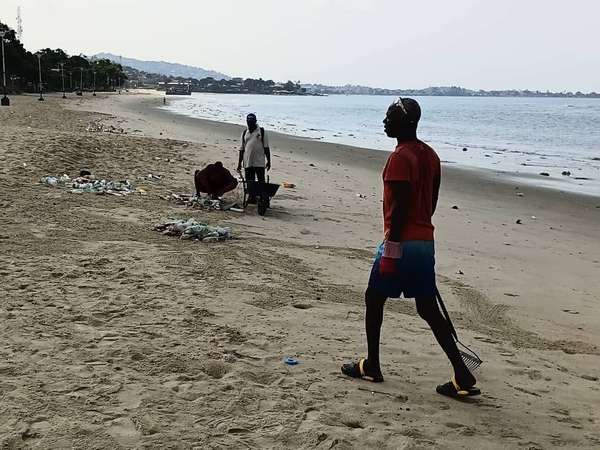
YSI field cleanup activity at Lumley Beach in Freetown
YSI field evidence · Lumley BeachDocumentary YSI cleanup activity in Freetown. This image records YSI field work.
Bright Freetown coastline with the peninsula in the background
Freetown coastline · Visual contextPublic context image, not YSI project evidence. Erik Cleves Kristensen, CC BY 2.0, via Wikimedia Commons.
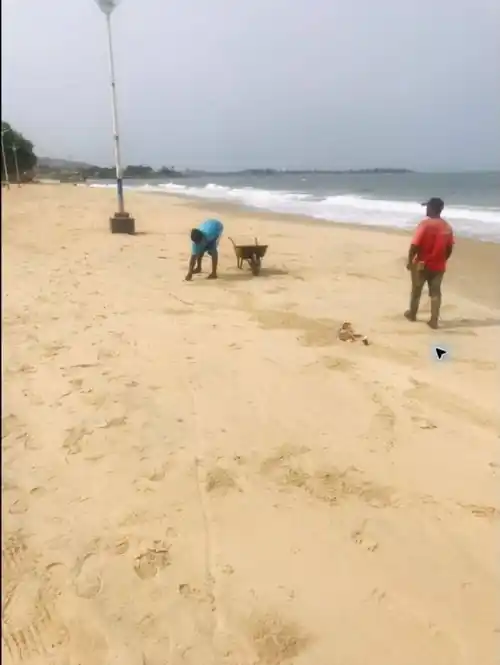
Mangrove wetland near Lumley Beach west of Freetown
Coastal mangrove contextLumley area mangrove wetland. Kazoo93, CC BY-SA 4.0, via Wikimedia Commons.
Daytime view of Aberdeen Beach Road in Freetown
Aberdeen · Urban coastal contextPublic context image, not a claim about current project conditions. Victor Turay, CC BY-SA 4.0, via Wikimedia Commons.

Public context images are used to show geography and environmental setting. They are not presented as YSI field evidence unless explicitly labeled that way.

Where the work begins

Environmental systems are built in real places.

YSI's current work connects Freetown's coastline, waste leakage pathways and wetland environments.

Bright daytime view of Lumley Beach, Freetown
Field base

Lumley Beach

Cleanup and sanitation experience gave YSI direct exposure to coastal waste, collection logistics and material handling.

Inspect evidence status →Context image: Hussein Kefel, CC BY-SA 3.0. YSI field evidence is documented separately on the Evidence page.
Coastal mangrove wetland in the Lumley area of Freetown
Wetland context

Aberdeen Creek

The first phase is evidence led: authority coordination, baseline evidence, leakage analysis and ecological diagnosis before physical intervention.

Explore Aberdeen Creek →Context image from the wider Freetown coastal mangrove setting, not site specific Aberdeen Creek evidence. Kazoo93, CC BY-SA 4.0.

The operating logic

Intercept → Measure → Sort → Recover → Route → Learn → Replicate.

YSI does not need to own every part of the waste system. The goal is to identify leakage, use legitimate existing routes where they work, and build only what evidence shows is missing.

01InterceptTest lawful ways to capture identifiable leakage before it reaches sensitive environments.
02MeasureRecord weight, location, time and method.
03SortCharacterize recoverables, hazards and residuals.
04RecoverAssess realistic reuse, recycling and other supported pathways.
05RouteUse legitimate existing infrastructure and approved providers where practical.
06LearnMeasure costs, bottlenecks, controls and actual gaps.
07ReplicateScale only after a model proves repeatable, compliant and useful.

Current work

Three connected layers of one environmental system.

Completed field activity and development stage projects are labeled separately.

YSI shoreline cleanup work at Lumley Beach in Freetown
Documented field work

Lumley Beach Field Work

Direct cleanup and sanitation work created practical experience with mixed coastal waste and field logistics.

See evidence status →YSI documentary field image, 23 April 2026.
Bright Freetown coastline with mountains in the background
Current Phase 0

Freetown Circular Waste Recovery

Measure leakage, characterize material, test recovery and routing, understand costs and decide what infrastructure is justified.

Explore the project →Context image, not YSI project evidence. Erik Cleves Kristensen, CC BY 2.0.
Bright coastal mangrove wetland near Freetown
Current first phase

Aberdeen Creek Protection & Recovery

Build a defensible baseline, understand leakage and ecological conditions, coordinate with authorities and let evidence determine later intervention.

Explore Aberdeen Creek →Wider Freetown coastal mangrove context, not site specific Aberdeen Creek evidence. Kazoo93, CC BY-SA 4.0.

Institutional pathway

Help prove the system before scaling it.

Funders, technical experts, public institutions and responsible private sector actors can review YSI's project stages, funding priorities, evidence controls and governance pathway.